1–3 business days (Dubai) | 3–5 business days (Other Emirates)
Returns:
14-day returns (conditions apply)
Out of stock
Product Overview
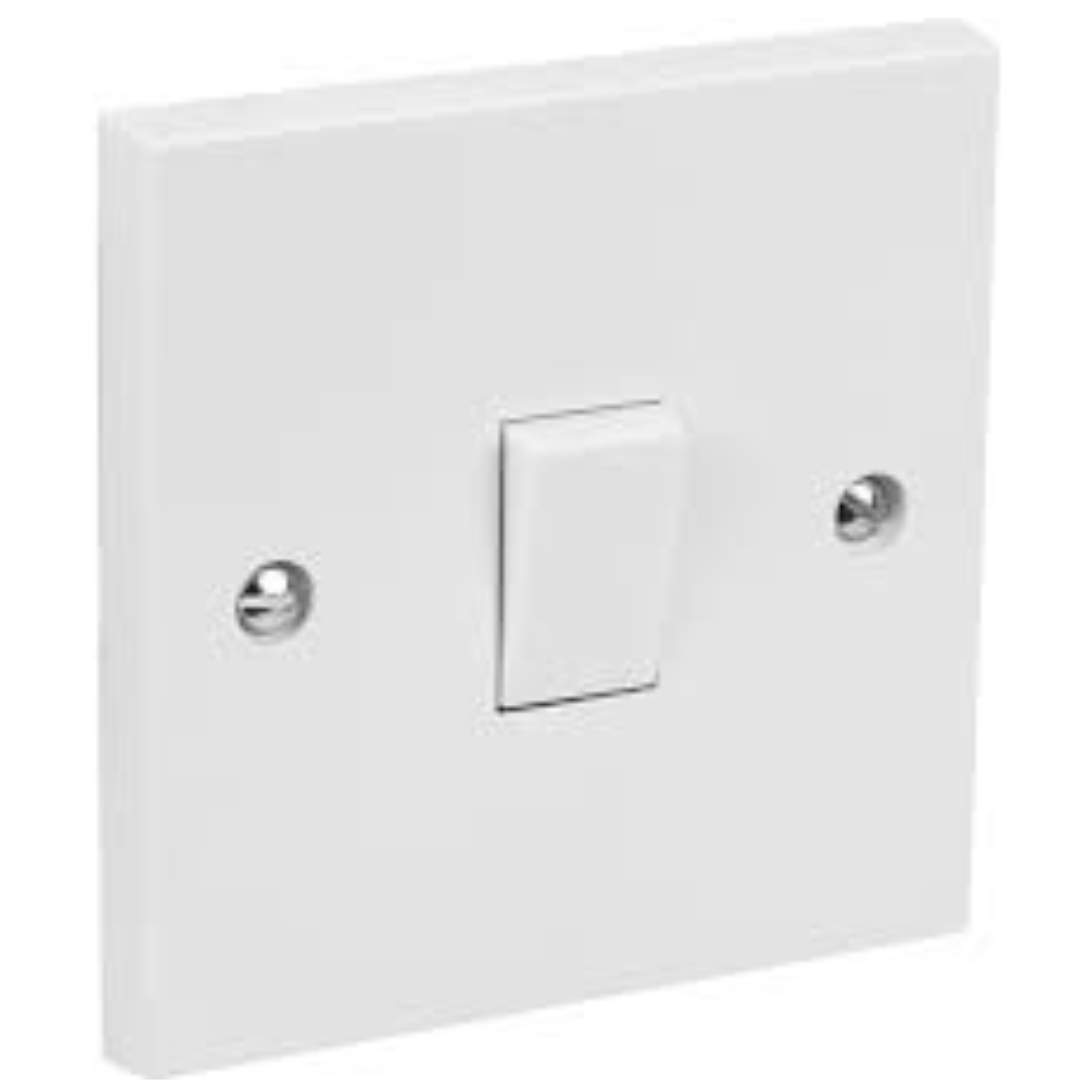
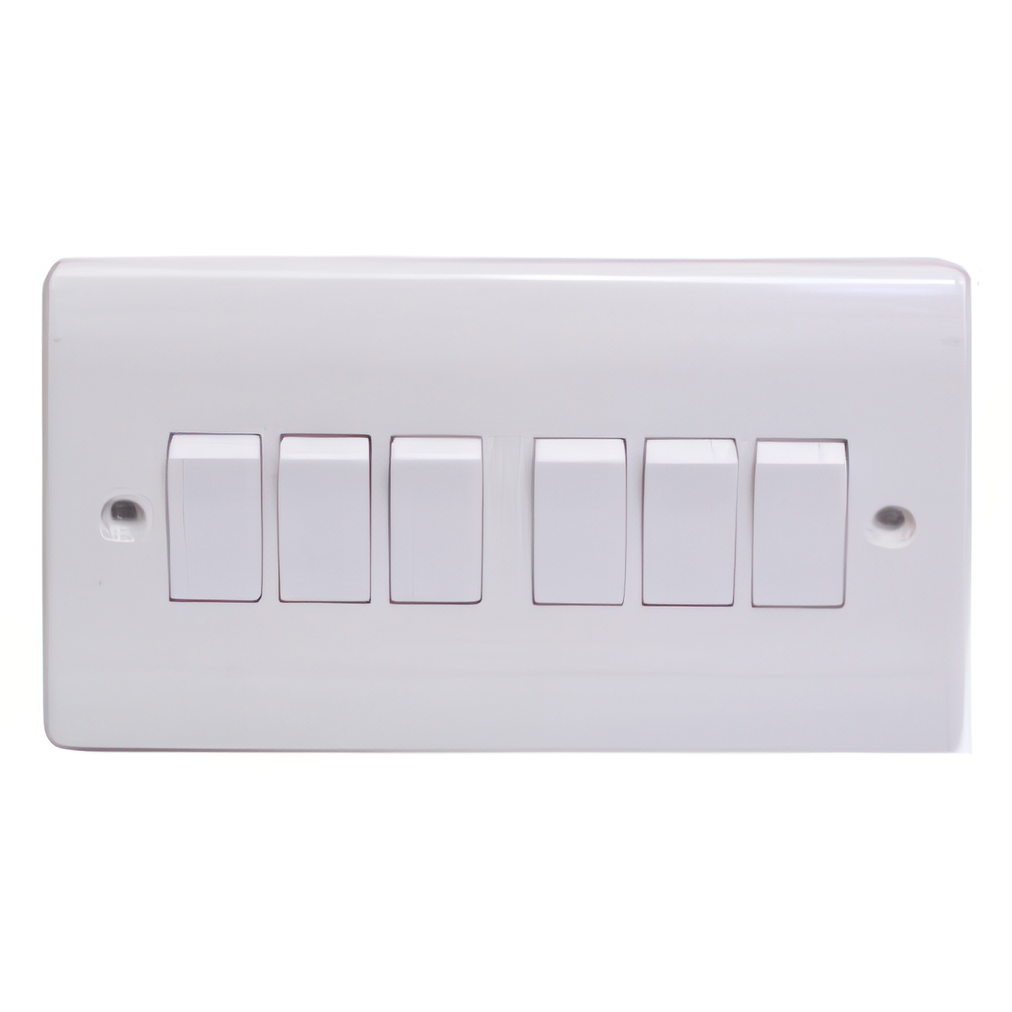
An intermediate switch is a type of electrical switch commonly used in three-way lighting circuits, along with standard single-pole switches and two-way switches. It provides an additional control point for a single light fixture or set of fixtures, allowing you to control the lights from three or more different locations. This is particularly useful in larger rooms, hallways, or staircases where multiple switches are required for convenient access. Unlike single-pole and two-way switches that have only two positions (on/off), the intermediate switch has multiple positions, typically three or more. This allows you to switch the lights on or off from various locations, regardless of the state of the other switches in the circuit. When combined with other intermediate and two-way switches, it creates a complex switching network that maintains consistent control over the lights. The internal mechanism of an intermediate switch features four terminal connections, making it distinct from the simpler switches. These terminals are labeled as L1, L2, L3, and COM. The COM terminal connects to the common wire, while the other three terminals connect to the travelers that interconnect the switches. When the switches are used in conjunction, toggling any of them can change the state of the lights.
Features
Multiple Control Points: Intermediate switches offer the ability to control a single light fixture or a group of lights from three or more different locations. This is useful for larger areas where accessing a single switch is not convenient. Three or More Positions: Unlike standard switches with only two positions (on/off), intermediate switches have three or more positions. This allows for more nuanced control, enabling you to toggle the lights between various levels of brightness or turn them off altogether. Complex Switching Networks: When combined with other intermediate switches and two-way switches, intermediate switches create intricate switching networks. This network allows you to control lights from numerous locations while maintaining consistent control logic. Terminal Configuration: Intermediate switches have four terminal connections: COM (common), L1, L2, and L3 (travelers). The COM terminal connects to the common wire, while the other terminals connect to the travelers that link the switches. This unique configuration enables the multi-way control. Compatibility with Wiring Regulations: Intermediate switches adhere to wiring regulations and standards, ensuring safe and effective operation within electrical circuits. They are designed to function reliably and can be integrated into various lighting setups while complying with electrical codes.
Benefits
Enhanced Convenience: Intermediate switches provide added convenience by allowing you to control the same light or set of lights from multiple locations. This is particularly useful in larger rooms, hallways, or staircases where accessing a single switch might be inconvenient. Flexibility: With intermediate switches, you have the flexibility to turn the lights on or off from any location, regardless of the positions of other switches in the circuit. This adaptability makes it easier to create lighting setups that cater to your specific needs. Improved Safety: Intermediate switches can contribute to safety by ensuring that you don't need to traverse a dark room or corridor to reach the main switch. With switches placed at different points, you can light your path from wherever you are. Aesthetic Appeal: In spaces with multiple entry points, using intermediate switches can lead to a cleaner and more aesthetically pleasing design. You can avoid the clutter of multiple standard switches on the same wall, creating a more streamlined and organized appearance. Optimal Light Placement: Intermediate switches allow you to strategically place switches in locations that make the most sense for controlling the lights. This is especially beneficial in areas with complex layouts or unique architectural features that require specific lighting placement.
Technical Specifications
An intermediate switch is a type of electrical switch commonly used in three-way lighting circuits, along with standard single-pole switches and two-way switches. It provides an additional control point for a single light fixture or set of fixtures, allowing you to control the lights from three or more different locations. This is particularly useful in larger rooms, hallways, or staircases where multiple switches are required for convenient access. Unlike single-pole and two-way switches that have only two positions (on/off), the intermediate switch has multiple positions, typically three or more. This allows you to switch the lights on or off from various locations, regardless of the state of the other switches in the circuit. When combined with other intermediate and two-way switches, it creates a complex switching network that maintains consistent control over the lights. The internal mechanism of an intermediate switch features four terminal connections, making it distinct from the simpler switches. These terminals are labeled as L1, L2, L3, and COM. The COM terminal connects to the common wire, while the other three terminals connect to the travelers that interconnect the switches. When the switches are used in conjunction, toggling any of them can change the state of the lights.